
27 Small Bedroom Ideas to Make a Tiny Room Feel Bigger
Real strategies for stretching square footage — no renovation required.
A small bedroom doesn't have to feel cramped, dark, or like a storage unit with a bed shoved in the middle. With the right furniture choices, color decisions, and a few clever visual tricks, even a tight footprint can feel open, calm, and genuinely restful. This guide walks through 27 practical small bedroom ideas — organized by furniture, color and light, storage, visual tricks, layout, and finishing touches — so you can pick the changes that fit your space, your budget, and your lease.
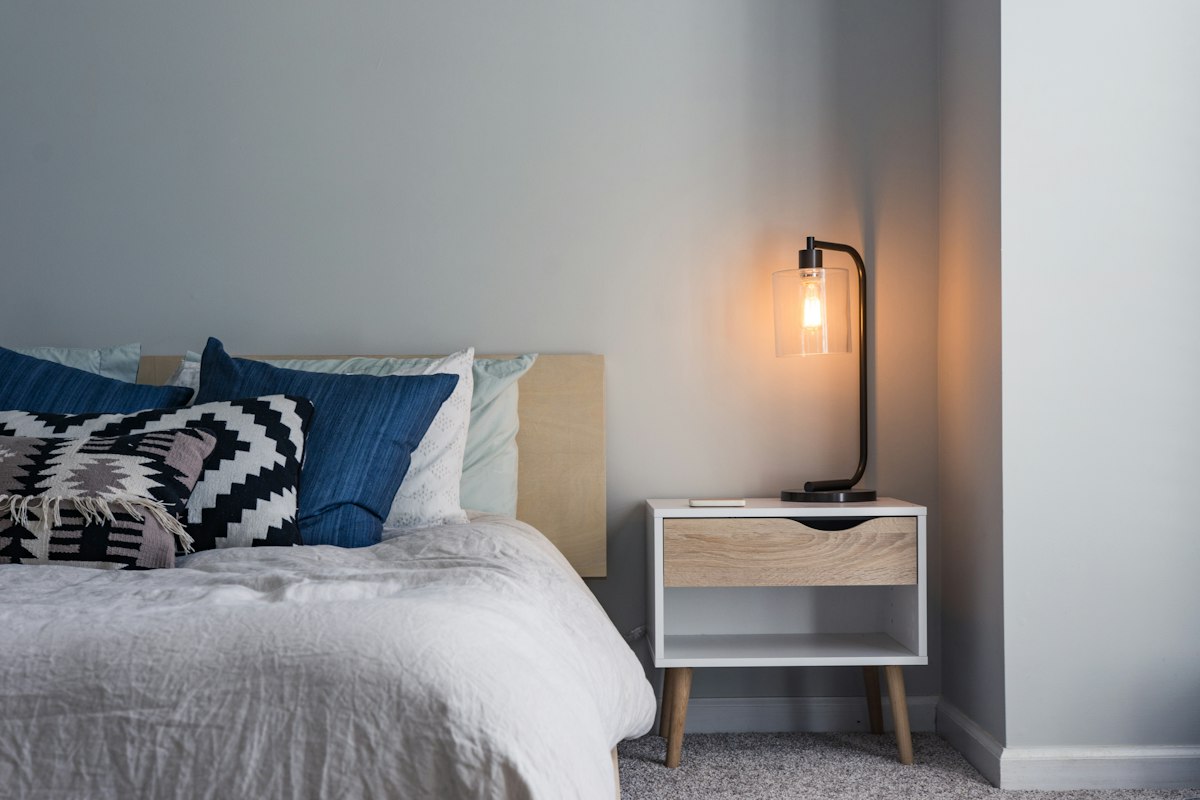
A light, uncluttered small bedroom that uses color, scale, and light strategically.
Quick Design Snapshot
Quick Jump
Why These Ideas Work
Small bedrooms feel cramped for a few predictable reasons: too much furniture for the footprint, too many colors and materials competing for attention, poor light, and cluttered sightlines. Every idea in this guide addresses one of those four problems directly — by reducing visual weight, unifying color, improving how light moves through the room, or freeing up floor space. You don't need to do all 27. Pick the handful that solve your room's specific issue and the space will already feel noticeably bigger.
Before You Start
- Measure the room and note doorway and window placement
- Identify your main light source and time of day it's strongest
- Decide on one dominant color direction
- Remove anything that isn't earning its space
- Check what storage already exists before buying more
- Set a realistic budget for the changes you want to make
Smart Furniture Choices
Furniture scale and shape matter more in a small bedroom than almost anywhere else in the house. These six ideas focus on choosing pieces that do more with less visual and physical footprint.
Choose a Bed That Sits Low to the Ground
A low-profile platform bed keeps more of the wall and ceiling visible above it, which reads as more air in the room. Tall, boxy bed frames with high headboards do the opposite — they visually eat the space.
Tip: Look for a platform height under 14 inches for the most open effect.
Go Vertical with a Loft-Style Bed
If ceiling height allows, lofting the bed frees the entire floor beneath it for a desk, seating, or storage. This works especially well in studio apartments, kids' rooms, and dorm-style spaces where floor space is the real constraint.
Tip: Pair it with a slim ladder rather than a bulky staircase to keep the footprint minimal.
Pick Furniture with Exposed Legs
Furniture that sits flush to the floor blocks sightlines and makes a room feel heavier than it is. Pieces raised on slim, visible legs let the eye travel underneath them, which makes the whole room read as more open.
Tip: This applies to nightstands, dressers, and chairs — not just the bed.
Use a Fold-Down Desk Instead of a Standing One
If the bedroom doubles as a workspace, a wall-mounted fold-down desk disappears when not in use, giving the room back its floor space at the end of the workday.
Swap the Nightstand for a Wall-Mounted Shelf
A small floating shelf beside the bed holds a lamp, a book, and a glass of water without taking up any floor space at all — ideal for rooms where the nightstand and bed frame are competing for the same few inches.
Tip: Mount it at mattress height, not standard nightstand height, so it still feels reachable from bed.
Choose Multi-Functional Storage Furniture
An upholstered storage ottoman or a bench with a lift-top seat gives you seating and hidden storage in one piece, which means one item is doing the work of two.
Color & Light Strategies
Color and lighting decisions have an outsized effect on how large a small bedroom feels. These six ideas use color continuity and layered light to soften hard edges and open up the room visually.
Paint Walls, Trim, and Ceiling the Same Color
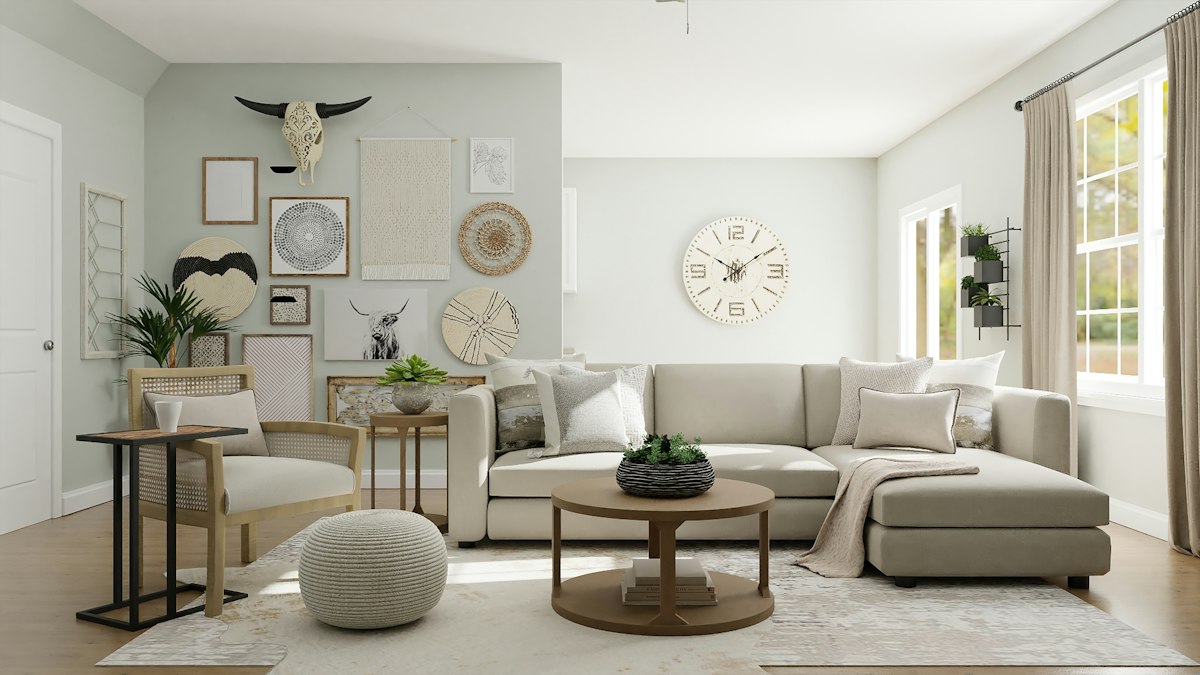
When trim and ceiling contrast sharply with the walls, the eye registers the room's boundaries immediately — which makes it feel smaller. Painting all three surfaces one soft tone removes those visual stop points and lets the room blur into itself.
Tip: Use the same sheen on walls and trim for the most seamless effect.
Build the Room Around One Color Family
A monochromatic or tonal palette — several shades of the same color rather than several different colors — keeps the eye from bouncing around the room, which reads as calmer and more spacious.
Add Only One Deliberate Pop of Color
Instead of scattering several accent colors around the room, choose a single spot — a headboard, a rug, or one wall — for contrast. One confident accent reads as intentional; five small ones read as clutter.
Maximize Natural Light with Sheer Curtains
Heavy, dark drapes block light and visually shrink the window. Lightweight sheer or linen curtains let daylight fill the room while still offering privacy and softness.
Tip: Hang curtains close to the ceiling rather than at the window frame — more on this below.
Layer Lighting with Wall Sconces
A single overhead light creates flat, harsh shadows that make a small room feel more boxed in. Wall-mounted sconces add a second light source at eye level, softening the room and freeing up nightstand space.
Hang a Large Mirror Opposite the Window
A well-placed mirror doubles the perceived light in the room by reflecting it back across the space. Positioning it directly across from the window amplifies both the daylight and the sense of depth.
Tip: A single large mirror reads more intentional than several small ones grouped together.
Storage & Organization Ideas
Clutter is one of the fastest ways to make a small room feel even smaller. These five ideas focus on storage that stays out of sight and out of the way.
Use the Space Under the Bed
The area under the bed is often the single largest unused storage zone in a small bedroom. Slim bins or drawer units keep off-season clothing, linens, or shoes contained and completely out of view.
Install Floating Shelves Instead of a Bookcase
A freestanding bookcase takes up floor space and visually blocks the wall behind it. Floating shelves hold the same books and decor while keeping the floor clear and the wall feeling open.
Add a Closet Organization System
A small bedroom often has a small closet, which makes every inch of it count. Double hanging rods, shelf dividers, and door-mounted racks can roughly double the usable storage without any extra floor space.
Tip: Tension-mounted systems work in rentals without any drilling.
Use Vertical Wall Hooks
A short row of hooks near the door holds bags, robes, or tomorrow's outfit without needing a chair or floor space to pile things on — which is usually where clutter starts in a small room.
Choose a Slim, Tall Dresser Over a Wide One
A tall, narrow dresser holds the same amount of clothing as a wide one but uses a fraction of the floor footprint, leaving more clear space to move through the room.
Visual Tricks to Expand the Space
These five ideas don't change the room's actual square footage — they change how large it feels, using simple tricks with curtains, art, and flooring.
Hang Curtains High and Wide
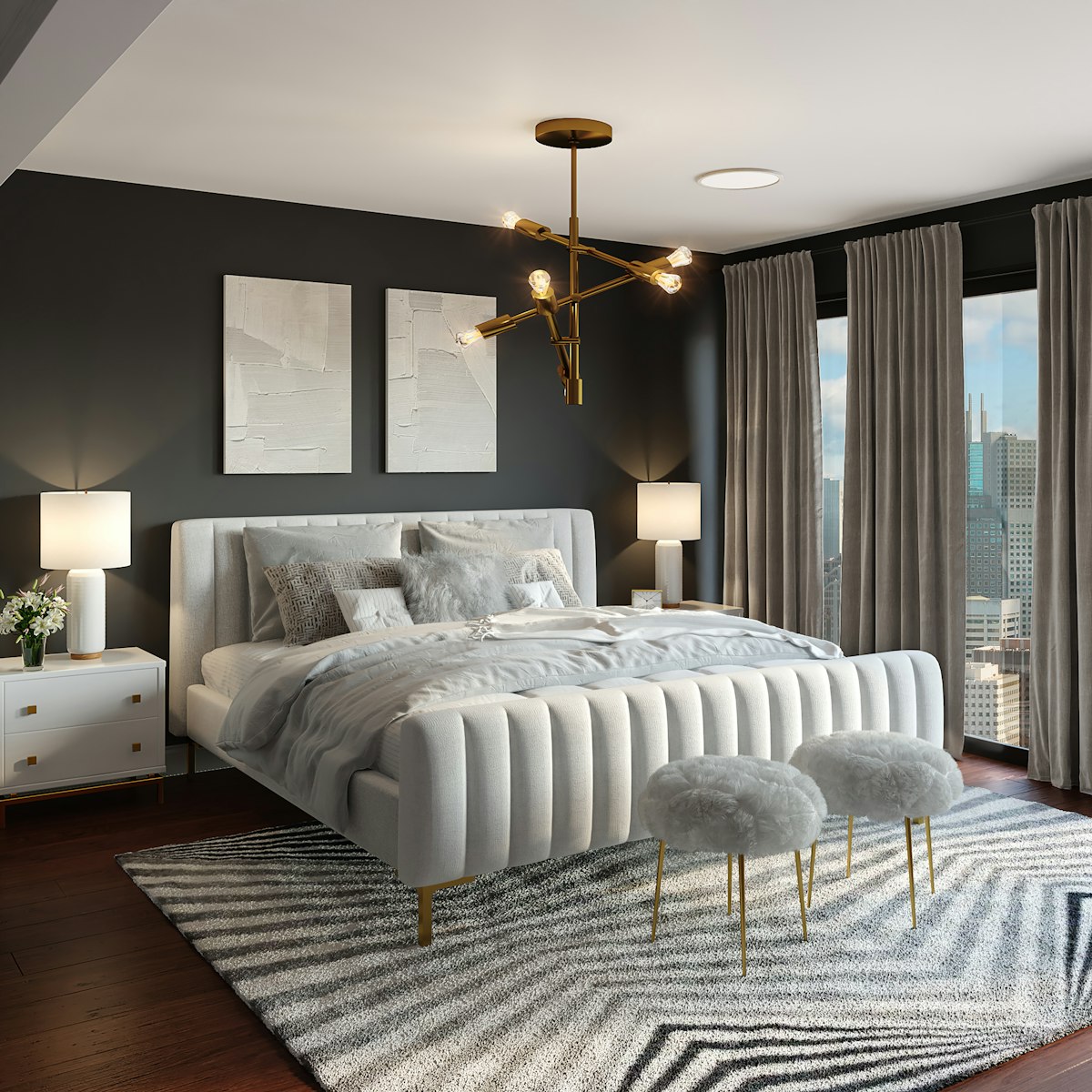
Mounting curtain rods close to the ceiling — rather than directly above the window frame — draws the eye upward and makes the whole wall feel taller. Extending the rod beyond the window frame on each side makes the window itself look wider.
Use Vertical Lines to Draw the Eye Upward
Tall, narrow artwork, vertically striped textiles, or floor-to-ceiling curtains all pull attention up the wall instead of across the floor, which makes ceilings feel higher and the room feel less boxed in.
Keep as Much Floor Visible as Possible
Every square foot of visible floor reads as extra space to the brain, even if it's not usable space. Pulling furniture a few inches off the walls and away from corners can, counterintuitively, make a room feel bigger than pushing everything flush to the edges.
Choose a Rug That Extends Under the Furniture
A rug that's too small and floats in the middle of the room chops the floor into visual segments. A larger rug that extends slightly under the bed or dresser reads as one continuous surface, which makes the room feel more grounded and expansive.
Use Glass or Acrylic Furniture Where Possible
A glass-top side table or an acrylic chair takes up physical space without registering as visual clutter, since light passes through it. This works especially well for a single small accent piece in a tight corner.
Layout & Flow
How furniture is arranged often matters more than how much furniture there is. These three ideas focus on layout decisions that keep the room easy to move through.
Anchor the Bed to Its Longest Wall
Placing the bed against the longest unbroken wall — rather than wedging it into a corner around a window or door — usually leaves the most usable floor space for the rest of the room to breathe.
Protect One Clear Pathway
A small bedroom feels chaotic fast when every path is interrupted by furniture. Keep at least one clear route from the door to the bed and to the closet, even if it means sacrificing an extra piece of furniture.
Angle the Bed Into an Awkward Corner
In rooms with an unusual layout, angling the bed diagonally into a corner can sometimes open up more usable floor space around it than fighting the room's shape with a straight placement.
Tip: This trick works best in rooms wider than about 10 feet — in very narrow rooms, straight placement is usually still best.
Finishing Touches & Textiles
The last two ideas are small, low-effort changes that round out a small bedroom without adding visual weight.
Layer Lightweight Textiles Instead of Bulky Ones
A thick, heavy comforter and multiple oversized pillows can overwhelm a small bed visually. Lighter layers — a linen duvet, one or two well-chosen pillows — keep the bed looking soft without looking heavy.
Add One Statement Piece Instead of Many Small Ones
A single striking element — one piece of art, one textured pillow, one interesting lamp — gives the room a focal point without cluttering it with lots of small decorative objects that compete for attention.
Designer Details Worth Knowing
A few underlying principles show up again and again in the ideas above. Understanding them makes it easier to apply the same thinking to your own room.
- Scale: furniture proportioned to the room, not oversized for comfort alone, keeps the space feeling balanced.
- Repetition: repeating one color or material throughout the room reads as intentional rather than accidental.
- Negative space: empty floor and wall space isn't wasted space — it's what makes a small room feel calm instead of cramped.
- Light layering: combining natural, ambient, and task light softens shadows and adds depth.
Color & Material Guide
These tones work particularly well in small bedrooms because they reflect light and keep the palette cohesive.
| Material | Best Use in a Small Bedroom |
|---|---|
| Light oak or ash wood | Bed frames and dressers — visually lighter than dark wood |
| Sheer linen | Curtains that let light through while adding softness |
| Glass or acrylic | Side tables and small accent furniture |
| Woven natural fiber | Rugs and baskets that add texture without visual weight |
Adapting These Ideas to Your Situation
Rental-Friendly Version
Stick to removable solutions: tension curtain rods, command-strip hooks, peel-and-stick shelving, and area rugs instead of paint or built-ins. Most of the storage and light ideas above require zero permanent changes.
Budget-Friendly Version
Prioritize what costs nothing: rearranging furniture, editing down decor, and pulling pieces off the walls. Then spend limited budget on lighting and textiles first — they have the biggest visual impact per dollar.
Common Mistakes to Avoid
- Choosing a bed frame that's oversized for the room just because it looked good in a showroom
- Using several different accent colors instead of committing to one
- Blocking the window with a dresser or heavy curtains
- Pushing every piece of furniture flush against the walls
- Relying on a single overhead light for the whole room
- Buying storage furniture before measuring what will actually fit
- Hanging multiple small pieces of art instead of one well-scaled piece
Frequently Asked Questions
How can I decorate a small bedroom on a budget?
Start with what's free: rearranging furniture, decluttering, and pulling pieces away from the walls. Then put any remaining budget toward lighting and lightweight textiles, since both have a big visual impact for relatively low cost.
What colors make a small bedroom look bigger?
Soft, warm neutrals applied consistently across walls, trim, and ceiling tend to work best, since they remove visual breaks in the room. A monochromatic palette generally reads as more spacious than a room with several competing colors.
Should I get rid of my nightstand in a tiny bedroom?
Not necessarily — a wall-mounted shelf at the right height can do the same job without using any floor space, which is often the better trade in a truly tight room.
Is a bigger rug or a smaller rug better for a small room?
Generally a larger rug that extends slightly under the furniture reads as more spacious than a small rug that floats in the middle of the floor, since it avoids chopping the room into visual segments.
How do I make a small bedroom feel cozy without making it feel cluttered?
Focus on a few layered elements — one textured throw, soft ambient lighting, and one statement piece — rather than lots of small decorative objects, which tend to read as clutter in a tight space.
Can I make small bedroom ideas work in a rental?
Yes — most of the ideas in this guide use removable hardware, rugs, curtains, and furniture rearrangement rather than permanent changes, so they work well within typical rental restrictions.
Save This for Your Next Decorating Project
Pin this guide so you can come back to it when you're ready to start updating your small bedroom.
Final Takeaway
A small bedroom feels bigger when it has less visual competition — fewer colors, less clutter, and furniture scaled to fit the room rather than fighting it. If you only take one action today, start there: remove one thing that isn't earning its space, and notice how much more room you have to breathe.