
25 Storage Ideas for Bedrooms: Organizing & Space-Saving Solutions for a Clutter-Free Home
Practical, real-life storage strategies for closets, under-bed space, corners, and small footprints — so your bedroom stays calm, organized, and clutter-free no matter the square footage.
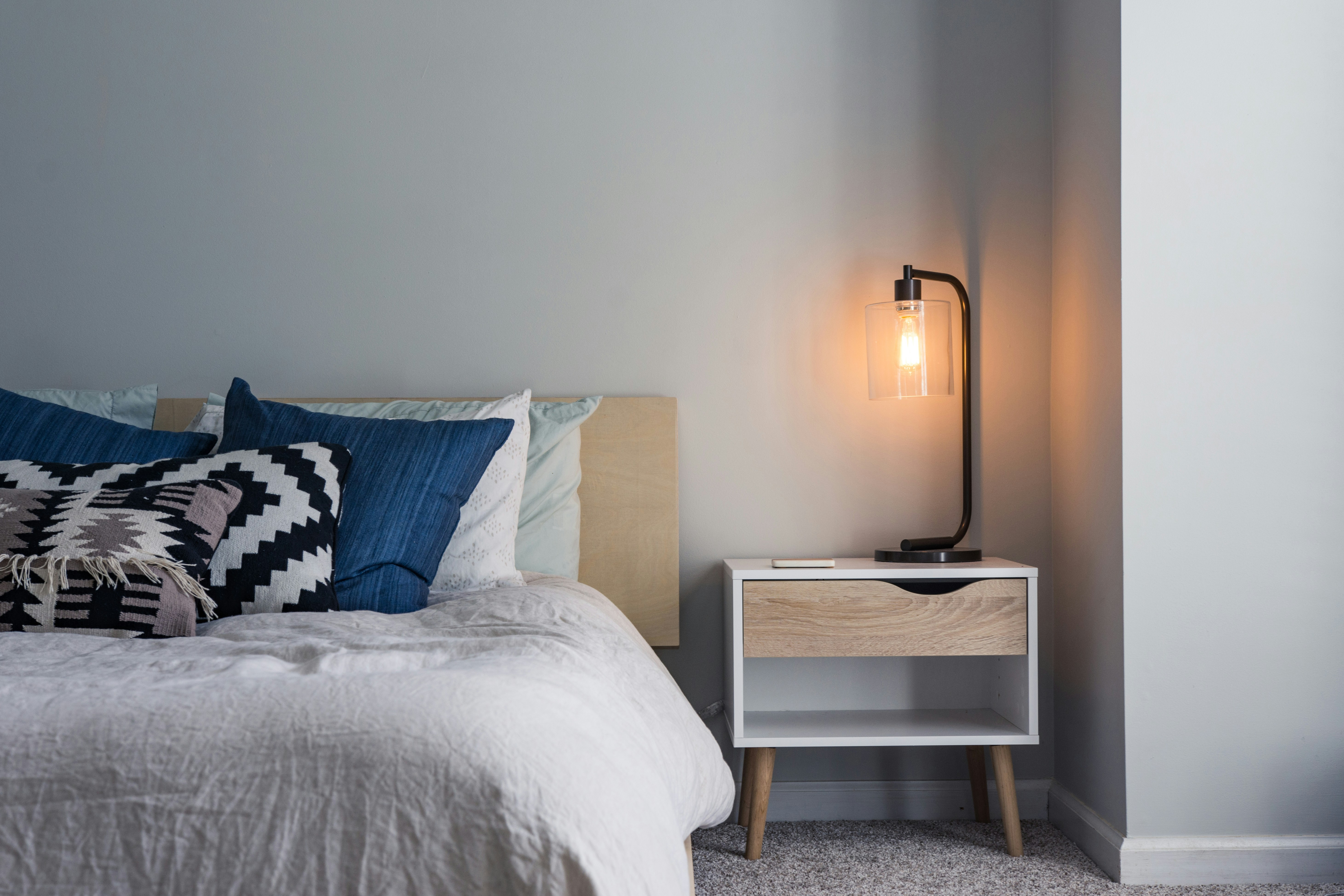
A bedroom is supposed to feel calm, but clutter has a way of creeping in — extra linens, off-season clothes, chargers, books, shoes. The good news is that most bedrooms have more usable storage than it looks like at first glance; it just needs to be organized with intention. This guide covers 25 bedroom storage ideas for closets, under-bed space, small corners, and everyday surfaces, with practical direction on how to set each one up, what it costs to do on a budget, and mistakes that quietly undermine an otherwise good storage plan.
Quick Design Snapshot
Quick Jump
Before You Start
The most effective storage plans start with a quick audit, not a shopping trip. Spend fifteen minutes sorting what's actually taking up space before buying a single bin.
- Sort belongings into keep, donate, and store-elsewhere piles
- Measure closet shelves, under-bed clearance, and corner dimensions
- Group items by category (off-season clothes, shoes, linens, accessories)
- Note which storage needs to be accessible daily versus rarely used
- Decide on one or two consistent bin/basket styles so the room feels cohesive
Closet Storage Ideas
Category: Closet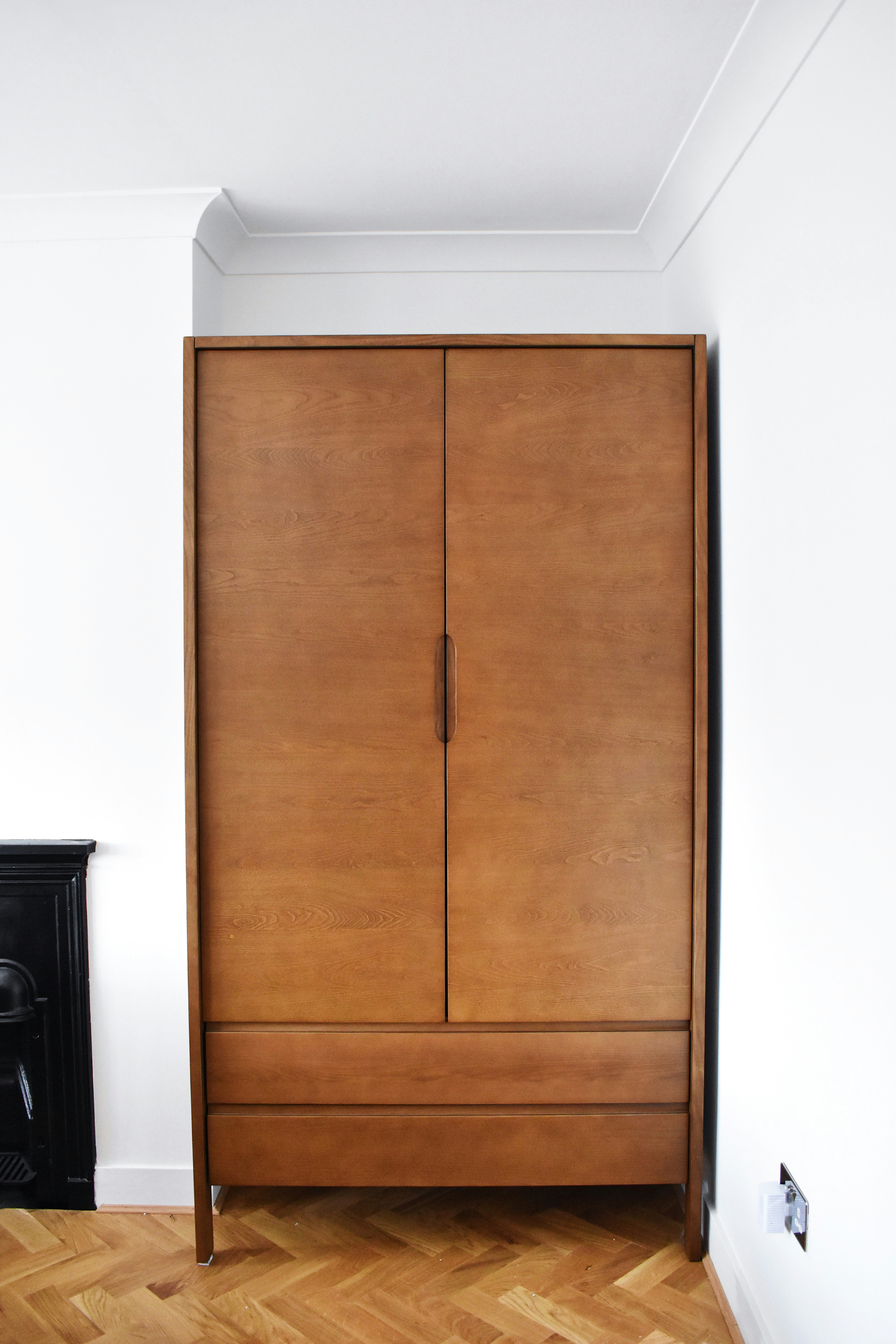
Double Up on Hanging Rods
Adding a second rod below your existing one instantly doubles hanging space for shirts, folded pants, and skirts.
Why it works: Most closets only use the top third of their vertical height, leaving space below wasted.
How to style: Install a tension or hanging closet rod extender under the main rod for shorter items only.
Slim Velvet Hangers for Uniform Space-Saving
Switching from bulky plastic or wire hangers to slim velvet ones can free up several inches of usable rod space.
Why it works: Uniform, thin hangers let clothes sit closer together without wrinkling.
How to style: Replace hangers gradually as laundry cycles through rather than all at once.
Labeled Bins on the Closet Shelf
The shelf above the hanging rod is often wasted space filled with loose, unlabeled items. Clear, labeled bins turn it into functional storage.
Why it works: Labels remove the guesswork of digging through boxes to find what you need.
How to style: Use uniform bins in a neutral tone with simple label tags — canvas or woven material works well.
Over-the-Door Shoe Organizer for Small Items
An over-the-door pocket organizer isn't just for shoes — it's ideal for accessories, rolled scarves, socks, or small electronics.
Why it works: The back of a closet door is one of the most overlooked storage surfaces in a bedroom.
How to style: Assign each row of pockets to a specific category so it stays organized.
Stackable Shoe Shelves or Cubbies
Stackable shoe shelves make use of vertical floor space in a closet far more efficiently than a single flat shoe rack.
Why it works: Vertical stacking multiplies storage without expanding the closet's footprint.
How to style: Angle the shelves slightly if the style allows, so shoes are visible at a glance.
Drawer Dividers for Folded Clothing
Simple dividers inside dresser drawers keep folded shirts, leggings, and undergarments from becoming a jumbled pile.
Why it works: Dividers create visual "lanes" so items stay upright and easy to see.
How to style: Use the file-folding method so each item stands vertically within its section.
Hanging Closet Organizer for Sweaters
A shelved hanging organizer lets you store folded sweaters and bulky knits vertically in the closet instead of stacking them in a drawer.
Why it works: Folded knits stacked too high in a drawer lose their shape and become hard to access.
How to style: Hang in an underused corner of the closet and fold sweaters loosely into each shelf.
Under-Bed Storage Ideas
Category: Under-Bed
Low-Profile Fabric Storage Bins
Flat, wide fabric bins with lids slide easily under most bed frames and are ideal for off-season clothing or extra bedding.
Why it works: Under-bed space is one of the largest unused storage areas in most bedrooms.
How to style: Measure clearance first, and choose bins with a handle for easy pulling.
Bed Risers to Create Extra Clearance
If your bed frame sits low to the ground, simple bed risers can add several extra inches of usable storage clearance underneath.
Why it works: A few added inches can be the difference between "no under-bed storage" and a fully usable zone.
How to style: Choose risers rated for your bed's weight and check they don't make the bed height uncomfortable.
Rolling Under-Bed Storage Drawers
Wheeled drawers make it easy to pull stored items out without crouching or reaching, which is especially useful for frequently accessed items.
Why it works: Rolling access removes the main frustration of under-bed storage — awkward retrieval.
How to style: Use one drawer for extra linens and another for out-of-season shoes.
Storage Bed Frame with Built-In Drawers
A bed frame with integrated drawers eliminates the need for separate bins altogether, which is especially useful in smaller bedrooms.
Why it works: Built-in storage uses space that would otherwise sit empty without adding visual clutter.
How to style: Assign each drawer a category — bedding, out-of-season clothing, extra pillows.
Vacuum-Sealed Bags for Bulky Off-Season Items
Vacuum-sealed storage bags compress bulky items like comforters, winter coats, and pillows to a fraction of their original size.
Why it works: Compression frees up significant under-bed or closet space for genuinely bulky textiles.
How to style: Label each bag by season and content before sliding under the bed.
Surface, Wall & Corner Storage Ideas
Category: Surfaces & Corners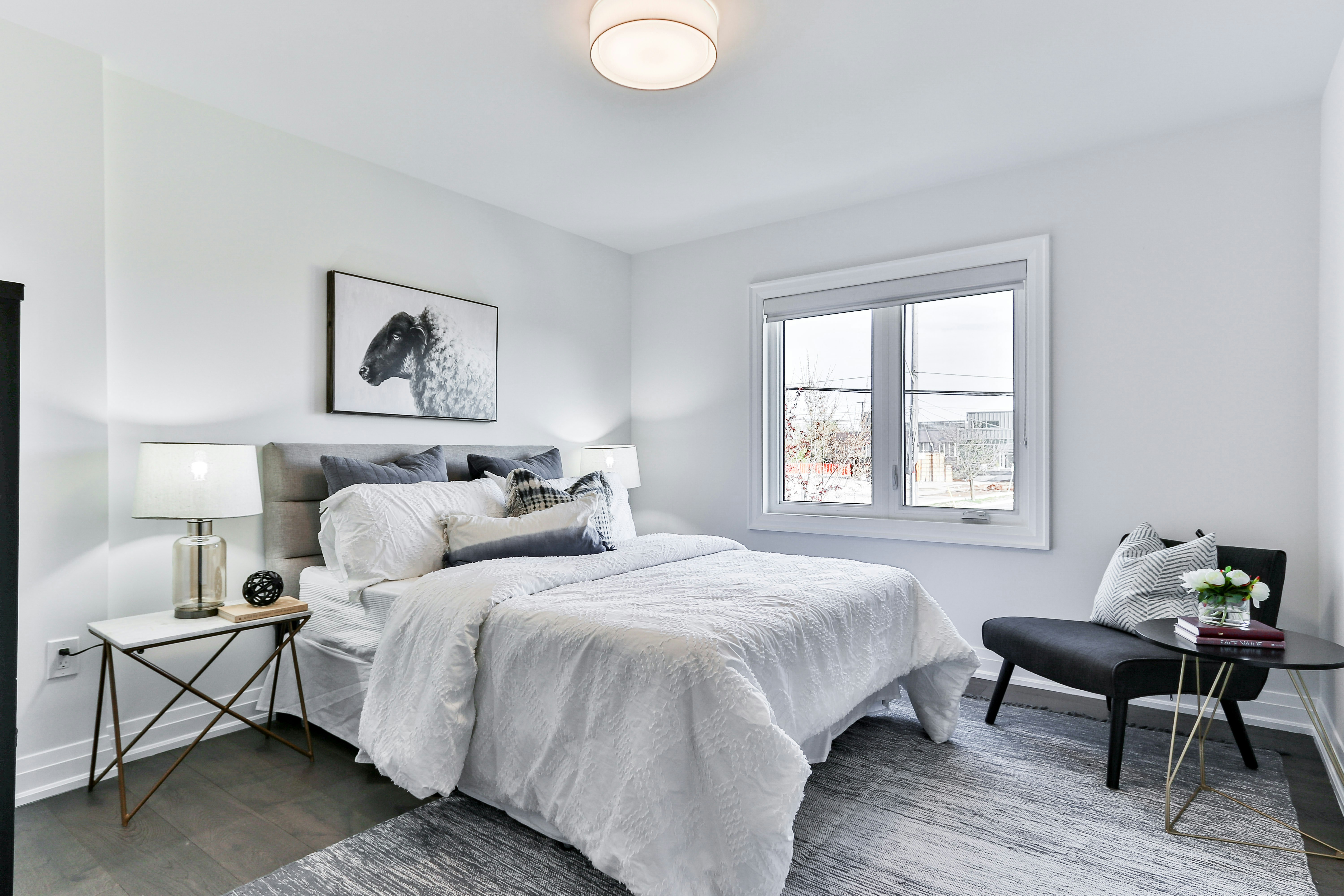
Floating Wall Shelves Above the Headboard
Slim floating shelves installed above or beside the headboard create display and storage space without taking up any floor area.
Why it works: Vertical wall space is almost always underused in a bedroom.
How to style: Keep items lightweight and low-profile so nothing feels precarious above the bed.
Slim Ladder Shelf for an Awkward Corner
A narrow ladder-style shelf fits into corners that are too tight for standard furniture, adding both storage and display space.
Why it works: Ladder shelves have a small footprint but multiple tiers, maximizing vertical storage.
How to style: Use lower shelves for baskets and higher shelves for lighter decorative items.
Nightstand with Drawers Instead of Open Shelving
A nightstand with one or two drawers hides everyday clutter — chargers, lotion, reading glasses — better than an open-shelf design.
Why it works: Closed storage keeps small essentials nearby but visually out of sight.
How to style: Use a small tray inside the top drawer to keep items from sliding around.
Wall-Mounted Jewelry or Accessory Organizer
A wall-mounted organizer for jewelry, watches, or scarves keeps small accessories untangled and visible.
Why it works: Small accessories are among the easiest items to lose track of in a drawer.
How to style: Mount near the closet or dresser for a natural "get dressed" zone.
Storage Ottoman or Bench at the Foot of the Bed
A storage ottoman or bench provides a place to sit while also hiding extra blankets, pillows, or off-season items inside.
Why it works: Dual-purpose furniture is one of the most efficient storage upgrades for a bedroom.
How to style: Choose a size proportional to the bed — roughly two-thirds of the bed's width works well visually.
Pegboard Wall for Flexible, Movable Storage
A pegboard mounted on an accent wall gives you flexible, reconfigurable storage for bags, hats, or small baskets.
Why it works: Pegboards can be rearranged instantly as your storage needs change.
How to style: Paint the pegboard to match the wall for a built-in look, or leave it as a contrast accent.
Woven Baskets on Open Shelving
Baskets placed on open shelving hide loose items like remotes, cords, or extra throws while still adding warm texture to the room.
Why it works: Baskets create the appearance of tidiness even when the contents are a little mixed.
How to style: Choose a consistent basket size and material across shelves for a cohesive look.
Small-Space & Shared-Room Storage Ideas
Category: Small SpaceWall-Mounted Fold-Down Desk with Storage Below
In small bedrooms doubling as a home office, a fold-down wall desk with a shelf or drawer beneath makes use of otherwise dead wall space.
Why it works: The desk disappears when not in use, freeing the floor for other functions.
How to style: Add a slim floating shelf above for supplies.
Loft or Raised Bed with Storage Underneath
Raising the bed frame opens up the entire footprint below for a desk, dresser, or additional storage units — especially useful in shared or studio-style bedrooms.
Why it works: This essentially doubles the usable floor area of a small room.
How to style: Use the space below for a dresser and a small reading nook rather than leaving it open and unused.
Slim Rolling Cart Between the Bed and Wall
A narrow rolling cart tucked into the gap beside the bed adds extra storage tiers without needing floor space elsewhere.
Why it works: Narrow gaps beside furniture are almost always wasted space in small rooms.
How to style: Use the top tier for nightly essentials and lower tiers for books or supplies.
Curtain-Divided Open Shelving for Shared Rooms
In shared bedrooms, a curtain hung in front of open shelving gives each person a private storage zone without needing separate furniture.
Why it works: Soft dividers create a sense of personal space in a shared footprint.
How to style: Use a tension rod and a lightweight curtain panel in a neutral tone.
Behind-the-Door Vertical Storage Rack
The back of the bedroom door itself — not just the closet door — is an overlooked storage spot for a slim rack or hooks.
Why it works: This space is rarely used for anything, making it "free" storage in a small room.
How to style: Use it for robes, bags, or a small shoe rack.
Stackable Modular Storage Cubes
Modular cube storage can be configured and reconfigured to fit almost any leftover wall or corner space, and it grows with your needs.
Why it works: Modular systems adapt as your storage needs or room layout change over time.
How to style: Mix a few open cubes for display with a few fabric-bin-filled cubes for hidden storage.
Material & Storage Type Guide
| Storage Type | Best Material | Best For |
|---|---|---|
| Under-bed bins | Fabric with lid, low-profile plastic | Off-season clothing, extra bedding |
| Closet shelving | Canvas bins, wire baskets | Folded items, accessories |
| Open shelving | Wood, woven baskets | Display + soft hidden storage |
| Small accessories | Wall-mounted hooks, trays | Jewelry, watches, keys |
| Shared/small rooms | Modular cubes, curtains | Flexible zones, privacy |
Best for: Bins & baskets
Pairs with: Cream, olive
Best for: Fabric storage boxes
Pairs with: Cream, taupe
Best for: Accent baskets
Pairs with: Cream, wood tones
Best for: Metal wall racks
Pairs with: Neutral bins
Budget-Friendly Strategies
You don't need to buy a full storage system at once to see a real difference in a bedroom's organization.
- Shop your own home first — repurpose baskets, boxes, or bins from other rooms
- Declutter before organizing; storage is far more effective once volume is reduced
- Prioritize one high-impact area first, such as under the bed or the closet shelf
- Mix a few structured pieces with budget-friendly fabric bins
- Watch for seasonal home-goods sales to build out a storage system gradually
Avoid These Mistakes
- Buying storage before decluttering — new bins just organize clutter instead of reducing it.
- Ignoring vertical space — walls and the space above closet rods are often the most underused areas.
- Mismatched bin sizes and styles — inconsistent storage pieces make a room feel busier than it is.
- Overpacking under-bed bins — leave enough room that bins slide in and out easily.
- Skipping labels — unlabeled bins tend to get dug through rather than used efficiently.
- Choosing floor storage without measuring clearance — always confirm bin height fits under your specific bed frame.
- Treating the nightstand as a catch-all — keep it to true nightly essentials only.
Designer Details
Layering: Combine hidden storage (bins, drawers) with a few open display shelves for balance.
Scale: Match storage piece size to the room — oversized furniture makes a small bedroom feel tighter.
Repetition: Use one consistent basket or bin material throughout the room to keep it visually calm.
Negative Space: Leave some shelving or surface area empty so storage doesn't read as cluttered itself.
Save This Home Idea
Pin this guide so you have a full storage plan ready the next time you tackle your bedroom closet or under-bed space.
Frequently Asked Questions
How can I add storage to a bedroom on a budget?
Start by decluttering, then repurpose bins and baskets you already own before buying anything new. Focus first on under-bed space and the closet shelf, which usually offer the biggest gains.
What's the best way to organize a small bedroom closet?
Add a second hanging rod for shorter items, use labeled bins on the top shelf, and consider an over-the-door organizer for accessories.
How do I make a small bedroom feel less cluttered?
Prioritize hidden storage — bins, drawers, and a storage ottoman — over open shelving, and keep visible surfaces limited to just a few items.
Is under-bed storage a good option for renters?
Yes — fabric bins, rolling drawers, and bed risers are all fully removable and don't require any modifications to the space.
What should I avoid when adding bedroom storage?
Avoid buying storage pieces before decluttering, mismatched bin styles, and overpacking under-bed bins so tightly they're hard to slide out.
How can I organize a shared bedroom with limited storage?
Use a curtain or modular cube system to divide shelving into individual zones, and consider a loft-style bed to open up additional floor space.
What materials work best for bedroom storage bins?
Canvas and woven baskets blend into most bedroom styles, while low-profile fabric bins are ideal for under-bed storage since they compress slightly to fit tighter spaces.
Final Takeaway: A well-organized bedroom relies less on buying more storage and more on using the space you already have with intention — closet shelves, under-bed clearance, and dead wall corners can hold far more than they seem to at first glance. Start today by clearing out one drawer or shelf completely before deciding what storage, if any, it actually needs.