
25 Decluttering Ideas for a Clutter-Free Home You Can Do in 15 Minutes
Small, fast resets that add up to a calmer home — no weekend deep-clean required.
Decluttering doesn't have to mean clearing your whole schedule for a Saturday. Most of the clutter that builds up in a home collects in small, specific spots — a junk drawer, a nightstand, a pile of mail — and each one can usually be reset in about 15 minutes. This guide breaks down 25 quick decluttering ideas by room, so you can pick one, set a timer, and get a visible result before your coffee gets cold.
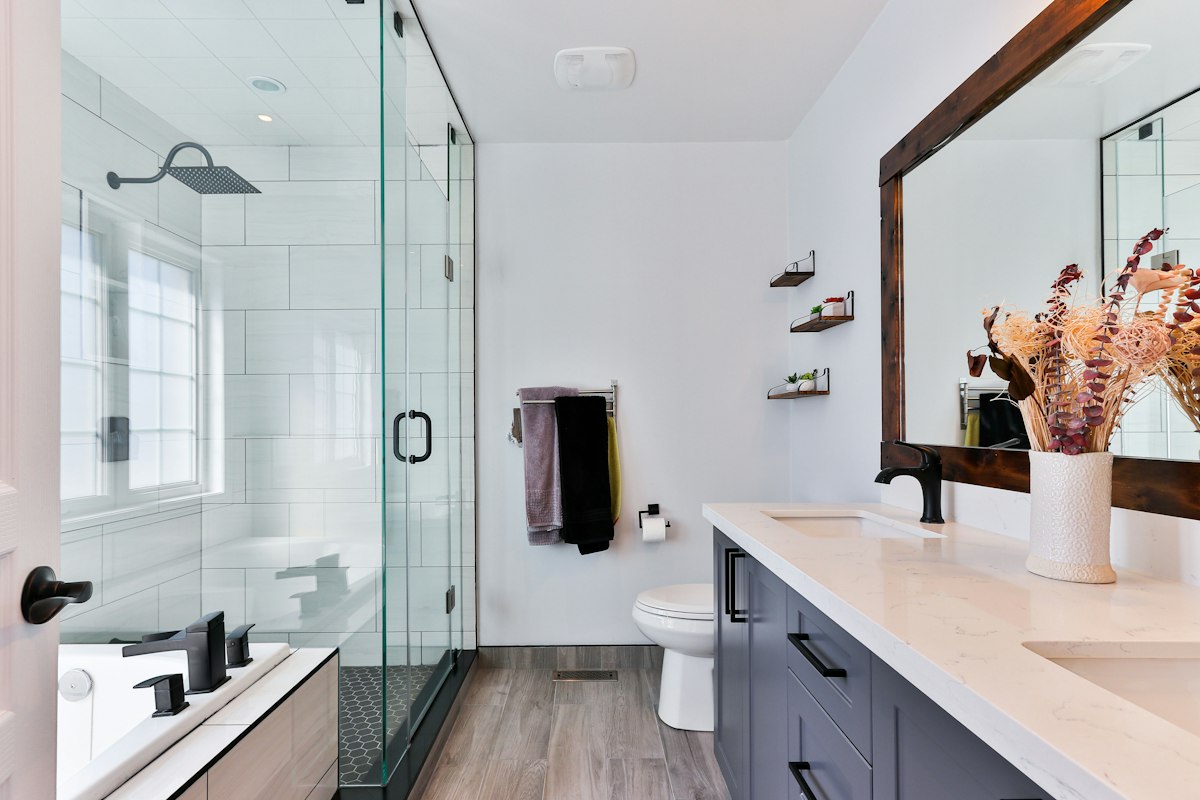
Small, timed decluttering sessions are easier to stick with than one big overhaul.
Quick Snapshot
Quick Jump
Why 15-Minute Sessions Work
Clutter rarely arrives all at once — it builds up in small increments, one unopened envelope or expired jar at a time. Because of that, it can also be undone the same way. A 15-minute limit keeps each task small enough that it's easy to start and hard to avoid, while still being long enough to finish a single drawer, shelf, or surface completely. The goal isn't a perfect house in one sitting — it's a habit you can actually keep up with.
Before You Start
- Set a timer so the task stays contained to 15 minutes
- Keep a trash bag and a donation box within reach
- Pick one spot per session — don't jump between rooms
- Sort into three piles: keep, donate, toss
- Put the donation box in your car right after, so it doesn't sit around
Kitchen
The kitchen collects clutter fast because so many small items pass through it daily. These five quick resets target the spots that build up the most.
Clear Duplicate Tools Off the Counter
10 minMost kitchens have two or three of the same gadget — extra can openers, spatulas, or measuring cups. Pull out the counter clutter, keep the best version of each tool, and box up the rest for donation.
Tip: If you haven't reached for the duplicate in six months, you likely won't miss it.
Toss Expired Pantry Items
15 minCheck dates on spices, condiments, and dry goods, and clear out anything past its prime. This also makes it easier to see what you actually have next time you're cooking.
Empty and Reset One Junk Drawer
15 minDump the entire drawer out, wipe it down, and only put back what actually belongs there. Everything else gets tossed, relocated, or donated.
Recycle Mismatched Food Storage Lids
10 minPull every container and lid out of the cabinet, match them into pairs, and recycle anything without a match. Lidless containers rarely get used and just take up space.
Clear the Fridge Door of Old Notes and Magnets
5 minTake everything off the fridge door, keep only what's current, and file or toss the rest. A clear fridge door makes the whole kitchen feel less busy.
Bedroom & Closet
Bedrooms and closets tend to hold onto things "just in case." These five resets focus on the spots that quietly fill up over time.
Pull 5 Items You Haven't Worn in a Year
10 minYou don't need to sort the whole closet — just commit to pulling five specific pieces you know you haven't worn. This small number keeps the task from feeling overwhelming while still making a dent.
Clear the Nightstand Surface
5 minNightstands collect books, chargers, and half-finished glasses of water fast. Clear it down to just what you use before bed, and relocate or toss the rest.
Reset One Section of the Closet Floor
15 minCloset floors tend to become a catch-all for shoes, bags, and stray items. Clear one section completely, sort what's there, and only put back what has an actual place.
Sort One Drawer of Socks or Basics
10 minPull everything out, toss anything with holes or missing pairs, and fold what's left back in. This is one of the fastest drawers to fully finish in one sitting.
Remove Shoes That No Longer Fit or Get Worn
10 minLine up your shoes and be honest about which ones you've actually worn in the last year. Donate the rest — worn-out or ill-fitting shoes rarely get a second life in your own closet.
Bathroom
Bathrooms hold onto expired products longer than almost any other room. These four resets clear out what's no longer safe or useful to keep.
Toss Expired Medications and Toiletries
15 minCheck expiration dates on medications, sunscreen, and skincare products. Expired items aren't just clutter — some can lose effectiveness or cause irritation, so this is a safety task as much as a tidying one.
Tip: Many pharmacies accept expired medication for safe disposal.
Clear the Shower of Empty or Unused Bottles
5 minShower shelves fill up fast with sample sizes and half-used bottles. Toss anything empty and consolidate duplicates so the shelf has breathing room.
Declutter One Drawer of Makeup or Toiletries
15 minPull everything out, check for anything dried out or past its use-by point, and only return what you reach for regularly.
Wipe Down and Reset the Counter
5 minOnce the drawers are sorted, clear the counter down to just daily essentials and give it a quick wipe. A clear counter makes the whole room feel more finished.
Living Room
Shared spaces accumulate clutter from everyone in the house. These four resets target the spots that get the most daily traffic.
Clear the Coffee Table Surface
5 minRemove everything, wipe it down, and only put back one or two intentional items — a tray, a candle, a book. A clear coffee table has an outsized effect on how tidy the whole room looks.
Sort the Remote or Media Basket
10 minTest batteries, toss remotes for devices you no longer own, and consolidate what's left into one spot with a clear purpose.
Recycle Old Magazines and Mail
10 minGo through any stacked reading material and recycle anything more than a couple of months old that you haven't gotten to yet — if it's been sitting that long, it's unlikely to get read.
Fluff and Reset Throw Pillows and Blankets
5 minFold blankets, fluff cushions, and remove anything that's migrated onto the couch that doesn't belong there. This is a fast visual reset even without removing a single item.
Paper & Digital Clutter
Clutter isn't only physical. These three ideas tackle the paper and digital piles that add just as much mental noise.
Shred One Stack of Old Mail
15 minSort through accumulated mail, shred anything with personal information you no longer need, and recycle the rest.
Clear Out One Drawer of Paperwork
15 minEvery home has at least one drawer where paperwork collects with no system. Sort it into keep, shred, and file, even if the "file" step is just a labeled folder for now.
Delete Duplicate Photos on Your Phone
10 minA full camera roll creates the same low-level overwhelm as a full drawer. Most phones can flag duplicates and near-duplicates automatically, making this an easy first pass.
Whole-Home Quick Wins
These last four ideas work in any room and are useful whenever you have a spare 15 minutes but no specific target in mind.
Do a One-Bag Sweep
15 minGrab a bag and walk through the house collecting anything that doesn't belong in the room it's currently in. Return each item to its proper spot as you go.
Clear One Entryway Surface
10 minThe entryway is often the first thing you see coming home, and one of the fastest spots to clutter up with shoes, mail, and bags. Reset it to just what's actually needed near the door.
Empty a Trash or Recycling Bin Early
5 minSometimes the fastest decluttering win is simply taking out a bin before it's technically full — it clears visual and physical space immediately.
Reset One Junk Basket or Catch-All Bin
15 minMost homes have at least one basket that quietly becomes a dumping ground. Empty it completely, sort the contents, and only return items that genuinely belong there.
Principles That Keep Clutter From Coming Back
A few habits make the difference between a one-time clean-out and a home that stays clutter-free.
- One in, one out: when something new comes in, something similar leaves.
- Give everything a home: items without an assigned spot are the ones that end up on random surfaces.
- Little and often: short, regular sessions prevent the kind of buildup that requires a full weekend to undo.
- Donate immediately: get donation boxes out of the house the same day, before they turn into more clutter themselves.
Keeping It Up: A Simple Weekly Rhythm
Spreading these tasks across the week keeps any single day from feeling like a big project.
| Day | Suggested Focus |
|---|---|
| Monday | Kitchen counter and one drawer |
| Wednesday | Entryway or living room surface |
| Friday | Closet or bedroom drawer |
| Weekend | Paper pile or digital declutter |
Adapting This to Your Life
Small Apartment Version
Focus on multi-use surfaces first — the entryway, coffee table, and one shared drawer — since clutter is more visible and more disruptive in a smaller footprint.
Busy Household Version
Assign one 15-minute task per family member per week rather than trying to do all 25 yourself. Small, shared responsibility keeps the habit sustainable.
Common Mistakes to Avoid
- Starting without a timer and losing track of time on one spot
- Trying to tackle an entire room instead of one drawer or surface
- Letting donation boxes sit in the house for weeks after sorting
- Keeping items "just in case" without a real plan to use them
- Reorganizing clutter instead of actually removing any of it
- Skipping the toss pile and only sorting into keep or donate
Frequently Asked Questions
Can I really declutter a whole home in 15-minute sessions?
Yes, though it happens gradually rather than all at once. Consistent short sessions add up over weeks and are generally easier to stick with than one long decluttering day.
What should I declutter first?
Start with a high-visibility surface like the kitchen counter or entryway. Seeing a quick result tends to make it easier to keep the habit going.
What's the difference between organizing and decluttering?
Organizing arranges what you already have; decluttering removes items you no longer need. Doing organizing without decluttering first often means neatly arranged clutter rather than an actual reduction in stuff.
How do I stop clutter from coming back?
Giving every item a specific home and following a "one in, one out" habit for new purchases are two of the most effective ways to keep clutter from rebuilding.
What should I do with the donate pile?
Get it out of the house as soon as possible — a car trunk, a donation bin, or a scheduled pickup all work. Items left sitting in the house tend to slowly migrate back into use.
Is this approach good for a rental?
Yes — every idea here involves sorting and removing items rather than any permanent changes, so it works in any home regardless of lease restrictions.
Save This for Your Next Free 15 Minutes
Pin this guide so you always have a quick decluttering task ready to go.
Final Takeaway
A clutter-free home isn't built in one big push — it's built in small, repeatable sessions that target one spot at a time. If you only do one thing today, set a 15-minute timer and clear a single surface. That one small win is usually enough to make the next one easier.