
15 Small Space Storage Ideas to Make Your Home Feel Bigger
Clever, achievable storage solutions that reclaim wasted space, cut visual clutter, and make even the tightest apartment or starter home feel open and organized.
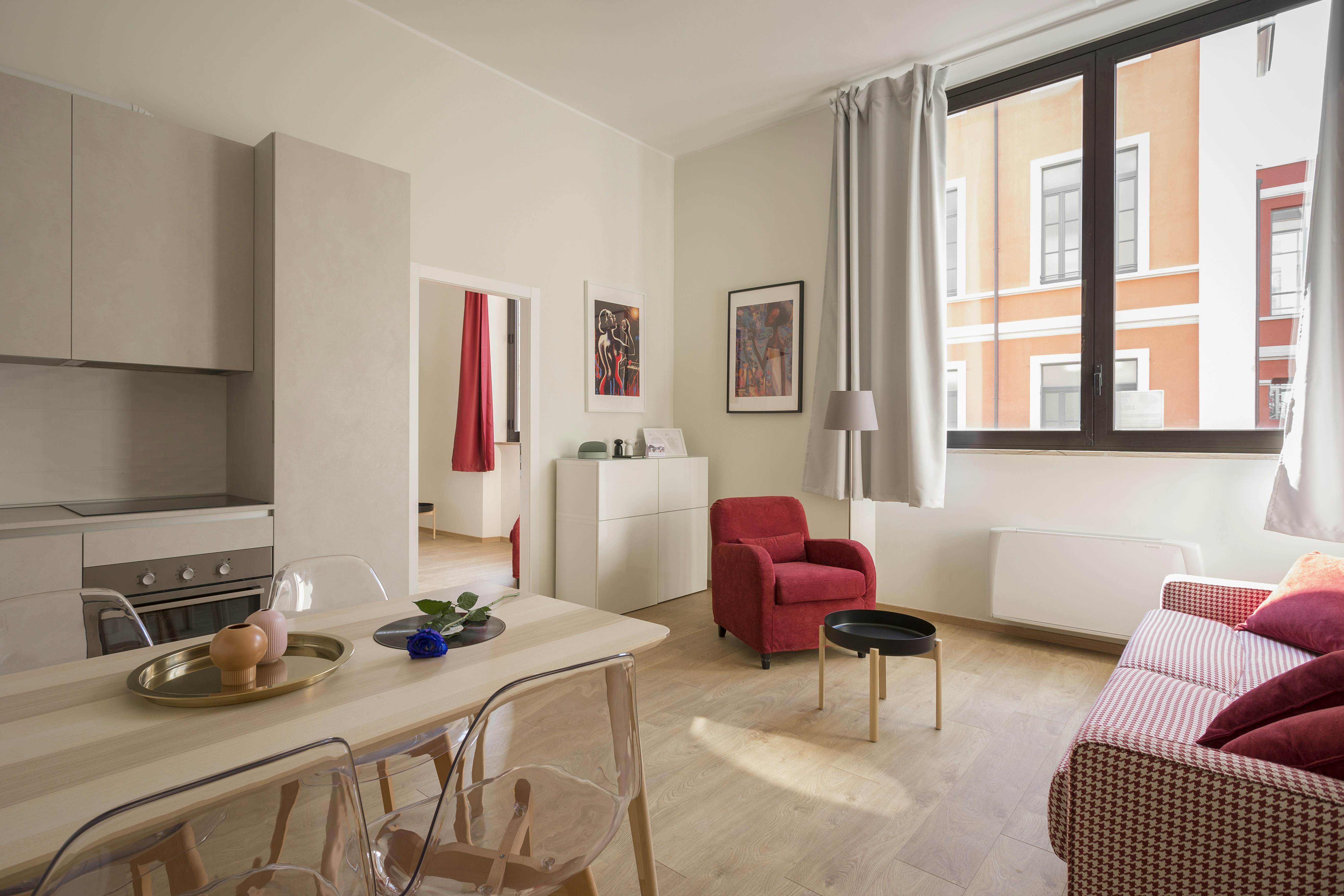
When square footage is limited, clutter shows up fast — and it's usually the biggest reason a small home feels smaller than it actually is. The good news is that smart storage isn't about buying more furniture; it's about using the space you already have more intelligently. Vertical walls, awkward corners, and the dead space under furniture are often the most overlooked real estate in a small home.
Below are 15 practical small-space storage ideas, each with guidance on why it works, how to style it, and a lower-cost way to achieve the same result. Use as many or as few as fit your space — even three or four of these can noticeably change how open a room feels.
Quick Design Snapshot
| Best For | Studio apartments, small bedrooms, tight kitchens, entryways |
| Style Direction | Clean-lined, functional, uncluttered |
| Color Direction | Light neutrals to keep storage visually quiet |
| Budget Level | $10–$150 per solution |
| Main Materials | Wood, woven baskets, wall-mounted metal, fabric bins |
Why These Ideas Work
Small-space storage succeeds when it does two things at once: gets items off the floor and out of sight, and uses vertical space instead of competing for horizontal square footage. The ideas below lean on walls, doors, and furniture with hidden capacity — the parts of a room that are almost always underused.
Install Floating Wall Shelves
Floating shelves add storage and display space without taking up any floor area, making them one of the highest-value additions to a small room.
Why it works: Vertical storage draws the eye upward, which also makes ceilings feel taller.
How to style it: Group shelves in odd numbers (3 or 5) at varying heights above a desk, bed, or sofa.
Budget alternative: Basic L-bracket shelves from a hardware store cost a fraction of designer floating shelf kits.
Pro tip: Keep no more than a few items per shelf so it reads as curated, not crowded.
Use a Storage Ottoman or Bench
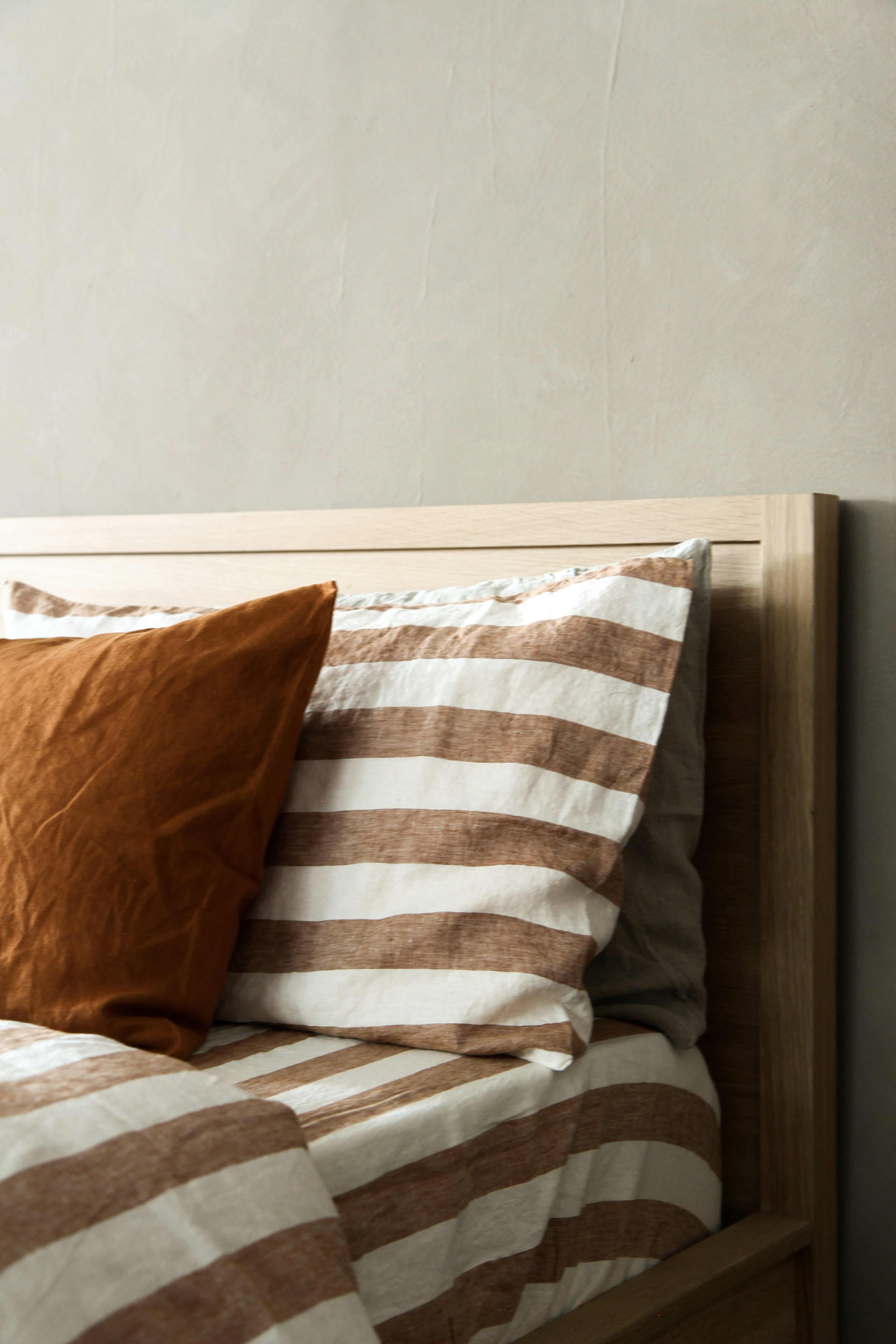
Furniture that opens up or has a hollow interior gives you a place to sit and a place to hide blankets, shoes, or seasonal items.
Why it works: One piece of furniture does two jobs, saving floor space that a separate storage unit would require.
How to style it: Place at the foot of a bed or by an entryway, topped with a folded throw for a finished look.
Budget alternative: A fabric storage cube from a discount retailer offers similar function at a lower price point.
Pro tip: Choose a lid that stays open on its own so loading and unloading is easy, not a hassle.
Add an Over-the-Door Organizer
The back of closet, pantry, and bathroom doors is almost always wasted space.
Why it works: It adds storage capacity with zero footprint — no drilling, no floor space used.
How to style it: Use a canvas or wire pocket organizer for shoes, cleaning supplies, or pantry items.
Budget alternative: A basic over-door hook set costs very little and still adds meaningful hanging storage.
Pro tip: Choose a slim organizer so the door can still close fully, especially in tight hallways.
Use Under-Bed Storage Bins
The space beneath a bed is one of the largest unused storage zones in most small bedrooms.
Why it works: It hides bulky items like linens or out-of-season clothing completely out of sight.
How to style it: Use low-profile bins with lids to keep dust out and contents organized by category.
Budget alternative: Repurpose flat cardboard boxes with lids instead of buying purpose-made bins.
Pro tip: Add bed risers if your bed frame sits too low to fit standard bins underneath.
Mount a Pegboard in the Kitchen or Craft Area
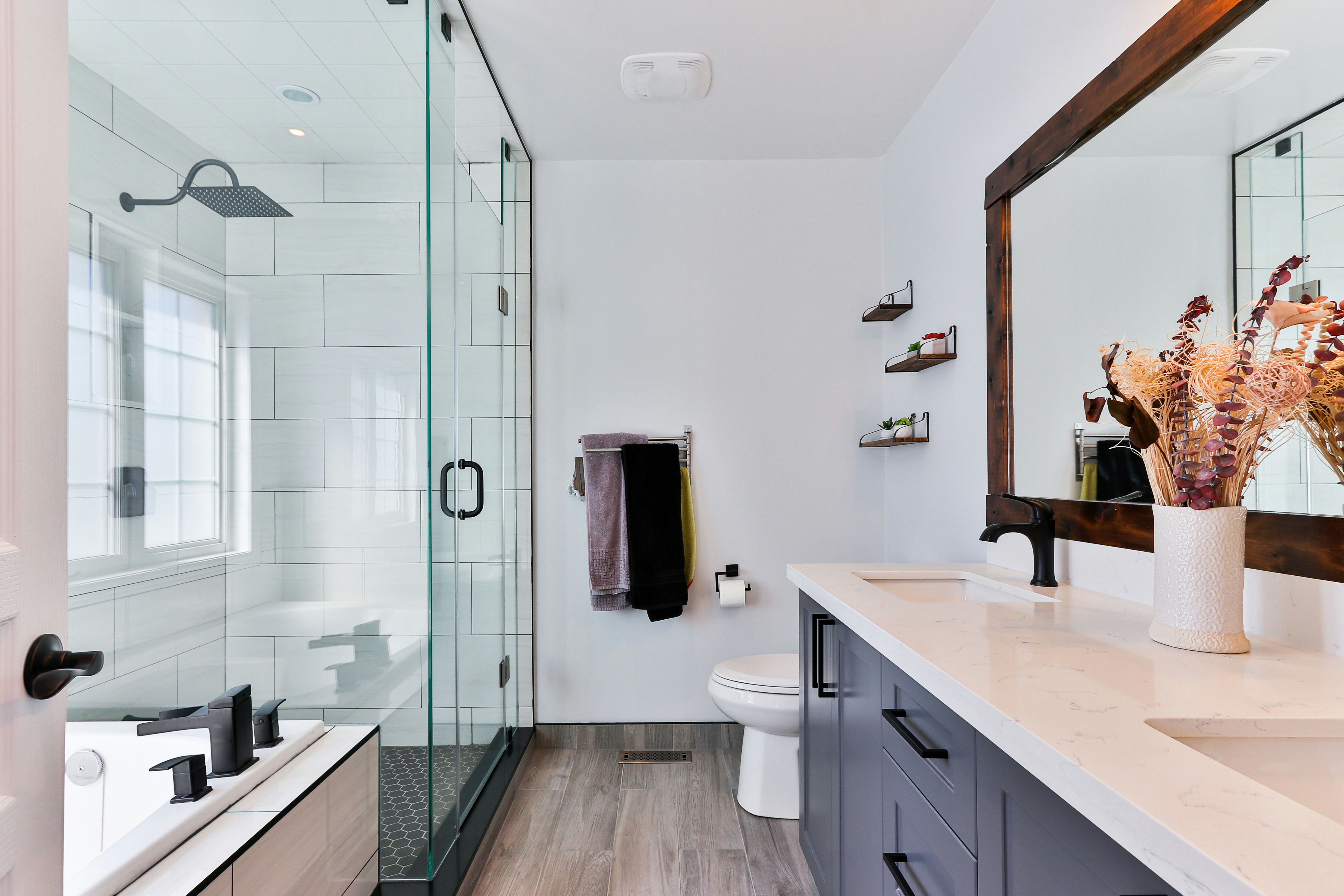
A pegboard turns a blank wall into fully customizable, rearrangeable storage.
Why it works: It keeps frequently used tools or utensils visible and accessible without taking up counter or drawer space.
How to style it: Paint the pegboard to match your wall color so it blends in rather than standing out.
Budget alternative: A small pegboard panel is inexpensive and can be scaled up later if it works well.
Pro tip: Group similar items together (cooking tools, craft supplies) so the board stays functional, not decorative clutter.
Choose a Bed Frame With Built-In Drawers
A platform bed with integrated drawers eliminates the need for a separate dresser in tight bedrooms.
Why it works: It combines two furniture pieces into one footprint, freeing up walking space.
How to style it: Use the drawers for out-of-season items and keep daily-use clothing in a smaller nearby unit.
Budget alternative: Add a rolling drawer unit beneath a standard bed frame instead of buying a new one.
Pro tip: Measure drawer clearance before buying — some low bed frames don't leave enough room for drawers to slide fully open.
Use Vertical Corner Shelving
Corners are frequently left empty in small rooms, even though they can hold a surprising amount of vertical storage.
Why it works: It uses space that furniture placement usually skips entirely.
How to style it: Install a tall, narrow corner shelf unit for books, plants, or display items.
Budget alternative: A slim ladder-style shelf leans in a corner without any mounting hardware needed.
Pro tip: Keep the top shelf light in color or open in design so the unit doesn't feel heavy in a small room.
Add a Hanging Closet Organizer
A hanging shelf system instantly multiplies usable closet space without any renovation.
Why it works: It divides one open hanging rod into several distinct storage compartments.
How to style it: Use it for folded sweaters, shoes, or accessories that don't need to be hung individually.
Budget alternative: Fabric hanging organizers are inexpensive and easy to find at most home goods stores.
Pro tip: Label compartments if multiple household members share the closet.
Use a Slim Rolling Cart
A narrow cart on wheels can slide into gaps beside a fridge, sofa, or desk that would otherwise be wasted space.
Why it works: It adds mobile, flexible storage that can move to wherever it's needed most.
How to style it: Use it in the kitchen for pantry overflow, or in a bathroom for extra towels and toiletries.
Budget alternative: A basic 3-tier utility cart works just as well as a designer version.
Pro tip: Measure the gap width carefully — even an inch too wide will make it not fit.
Install a Wall-Mounted Fold-Down Desk
For home offices squeezed into small apartments, a fold-down desk offers a full workspace that disappears when not needed.
Why it works: It eliminates a permanent furniture footprint in rooms that serve multiple purposes.
How to style it: Pair with a floating shelf above for supplies, since a fold-down desk has no drawers.
Budget alternative: A small wall-mounted shelf that flips down can serve the same basic purpose at lower cost.
Pro tip: Choose a wall stud location for mounting to safely support a laptop and books.
Use Stackable Bins in Cabinets
Cabinets often waste vertical space above stacked items because nothing separates upper and lower zones.
Why it works: Stackable bins double usable cabinet height without any construction.
How to style it: Use clear bins so contents are visible without needing to pull each one out.
Budget alternative: Repurpose shoeboxes or existing containers instead of buying a matching bin set.
Pro tip: Keep heavier items on lower shelves and lighter ones up high for safety and easy access.
Add Hooks Near Entryways
A cluttered entry often comes down to a lack of a dedicated spot for coats, bags, and keys.
Why it works: It gives daily-use items an obvious home, which reduces clutter piling up elsewhere.
How to style it: Install a row of hooks at varying heights for coats, bags, and smaller accessories.
Budget alternative: Adhesive hooks work well for renters who can't drill into walls.
Pro tip: Keep hooks near the door itself, not further down a hallway, so they actually get used.
Use a Loft Bed to Free Up Floor Space
Raising the bed opens up an entire zone underneath for a desk, wardrobe, or seating area.
Why it works: It essentially doubles the usable floor area of a small bedroom.
How to style it: Use the space below for a compact desk setup or additional closed storage.
Budget alternative: A bunk-style frame with under-bed clearance offers a similar effect for less than custom loft builds.
Pro tip: Check ceiling height before committing — lofted beds need adequate clearance to avoid feeling cramped.
Use Drawer Dividers
Unorganized drawers waste space because items get piled rather than arranged efficiently.
Why it works: Dividers let you use every inch of a drawer instead of losing space to clutter and gaps.
How to style it: Use adjustable dividers in kitchen, bathroom, and dresser drawers alike.
Budget alternative: Cut small cardboard boxes to size as makeshift dividers.
Pro tip: Measure your drawer before buying dividers — expandable versions offer the most flexibility.
Use a Tension Rod Inside a Cabinet
A simple tension rod mounted inside a cabinet creates an extra tier for hanging spray bottles or small items by their necks.
Why it works: It uses otherwise empty vertical space above stacked items at almost no cost.
How to style it: Install under a sink or in a pantry to hang spray bottles or small bags.
Budget alternative: This is already one of the cheapest storage solutions available — a rod costs very little on its own.
Pro tip: Choose a non-slip rod so it doesn't shift when items are hung or removed.
Material Guide
Warm White
#F5F1E8 — shelving, bins
Natural Rattan
#C9BBA0 — baskets
Sage Green
#8C9A6B — accent bins
Warm Terracotta
#BE6B4A — labels, accents
Matte Black
#3A3A3A — hardware, hooks
Keep storage pieces in light, neutral tones so they visually recede rather than compete for attention. Save color for baskets or labels, which are easy to swap out later.
Budget-Friendly Alternatives
- Shop your own home first — an unused basket, box, or shelf from another room may solve a storage gap for free.
- Repurpose containers like shoeboxes or jars before buying matching organizers.
- Use removable, no-drill solutions (adhesive hooks, tension rods) if you're renting.
- Focus on high-traffic zones first — entryways and bedside areas usually create the most visible clutter.
- Mix one or two nicer storage pieces with budget bins elsewhere in the room.
Small-Space Adaptations
For studio apartments or single-room living, prioritize furniture that serves double duty — a storage ottoman, a bed with drawers — over standalone storage units. In shared or rented spaces, lean on removable solutions like over-door organizers and adhesive hooks so upgrades can move with you.
Common Mistakes to Avoid
Before You Start Checklist
- ☐ Measure available wall, corner, and under-furniture space
- ☐ Identify your most cluttered zones first
- ☐ Decide which solutions need to be renter-friendly
- ☐ Sort items before buying new storage, not after
- ☐ Set a budget per zone rather than for the whole home at once
- ☐ Prioritize vertical space before buying floor-based units
Frequently Asked Questions
What is the cheapest way to add storage to a small space?
Repurposing items you already own — boxes, baskets, or an unused shelf — is the most affordable option, followed by low-cost additions like adhesive hooks and tension rods.
How do I add storage to a rental without drilling holes?
Use adhesive hooks, over-door organizers, tension rods, and freestanding shelving units that don't require any wall mounting.
What's the best storage solution for a small bedroom?
Under-bed bins and a bed frame with built-in drawers tend to offer the most storage without using any additional floor space.
How can I make small space storage look less cluttered?
Stick to a consistent color palette for bins and shelving, and avoid overfilling any single storage spot.
Are floating shelves a good idea for small rooms?
Yes — they add both storage and display space without taking up any floor area, which is especially valuable in tight rooms.
How much should I expect to spend on small-space storage upgrades?
Costs vary widely, but many of the ideas in this guide can be done for $10–$150 per solution depending on materials chosen.
Save This Storage Idea
Keep this guide handy for your next small-space organizing project — pin it now so you can revisit these ideas whenever you need them.
Final Takeaway
Small-space storage isn't about cramming more furniture into a room — it's about using vertical space, hidden capacity, and multi-purpose furniture wisely. Start with just one high-impact change, like adding floating shelves or under-bed bins, and build from there as you see what actually improves the flow of your space.