
25 Cozy Bedroom Home Office Ideas for Women to Create a Stylish & Productive Space
A warm, feminine take on the bedroom home office — soft textures, calming colors, and smart layouts that let you work comfortably without losing the restful feel of your bedroom.
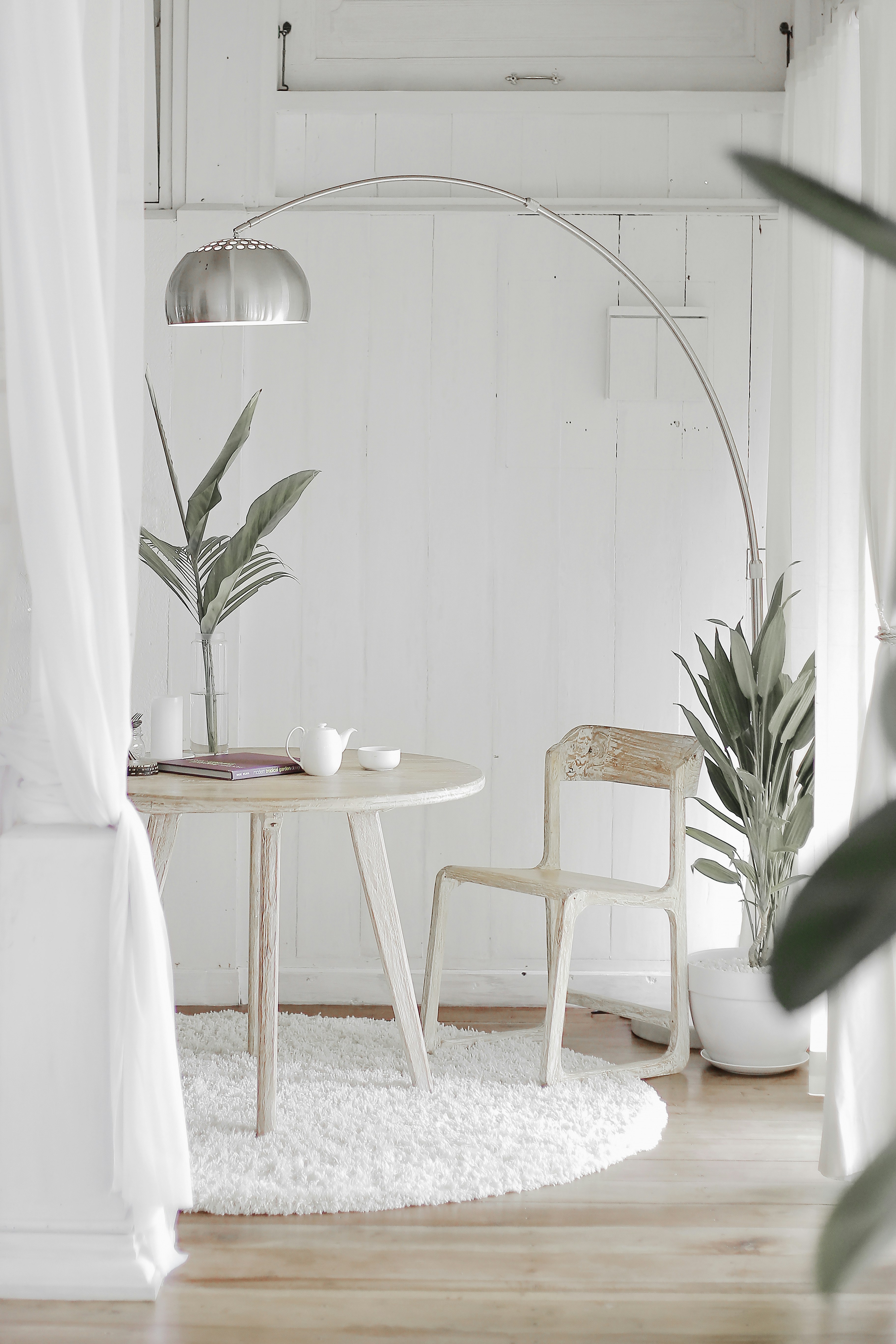
Working from a bedroom corner shouldn't feel like a compromise. With the right layout and a few thoughtful touches, a small desk area can feel just as calming as the rest of your bedroom while still helping you stay focused and productive. This guide gathers 25 cozy, achievable bedroom home office ideas designed with a soft, feminine aesthetic in mind — think warm textures, gentle color palettes, and personal touches that make the space feel like yours.
Whether you're setting up in a studio apartment, carving out a corner in a shared bedroom, or simply refreshing an existing desk nook, these ideas are practical enough to start this weekend.
Quick Design Snapshot
| Room | Bedroom corner or nook |
| Style Direction | Cozy, feminine, softly organized |
| Color Direction | Blush, cream, sage, warm wood tones |
| Best For | Remote workers, students, small apartments |
| Budget Level | $20–$200 per upgrade |
| Main Materials | Rattan, linen, light wood, brushed gold |
Why These Ideas Work
A bedroom home office needs to do two competing jobs — support focus during the day and disappear into a restful space at night. The ideas below balance function and softness, using calming colors, gentle lighting, and compact furniture so the desk feels like a natural part of the room rather than an intrusion.
Choose a Slim Desk That Fits the Corner
A narrow desk, around 30 inches wide or less, fits neatly into a bedroom corner without overwhelming the room.
Why it works: It keeps the desk from visually competing with the bed as the room's main focal point.
How to style it: Choose a light wood or white finish so it blends with existing bedroom furniture.
Budget alternative: A wall-mounted floating desk saves floor space and often costs less than a freestanding one.
Pro tip: Measure the corner before buying — a desk that's even a few inches too wide will feel cramped.
Add a Soft Table Lamp Instead of Harsh Overhead Light
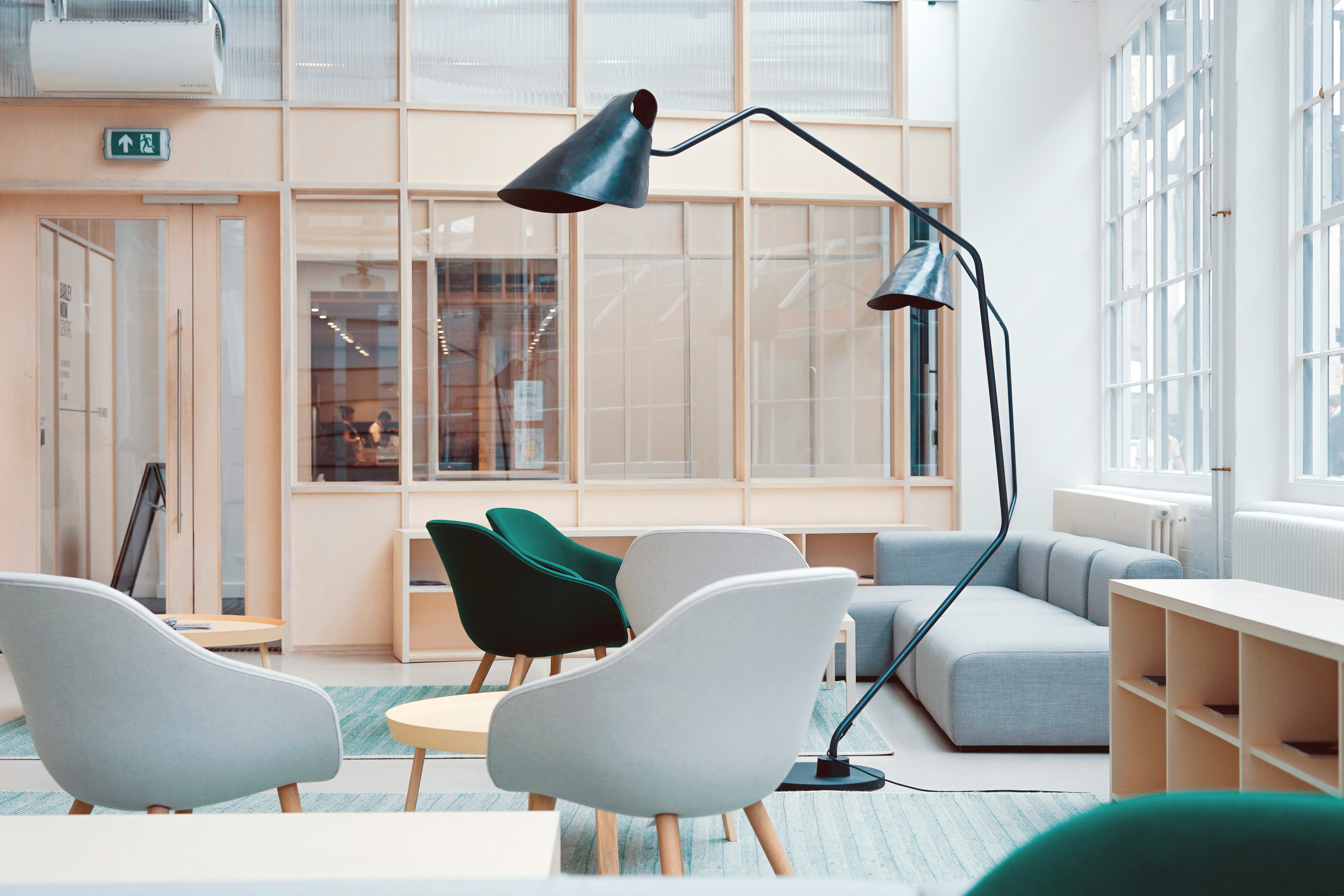
A warm table lamp creates a cozier work atmosphere than a bright overhead bulb.
Why it works: Soft, warm lighting reduces eye strain and keeps the space feeling relaxing rather than clinical.
How to style it: Choose a lamp with a fabric or linen shade in a neutral tone.
Budget alternative: A simple ceramic base lamp from a discount retailer works just as well as a designer version.
Pro tip: Use a warm white bulb (2700K–3000K) rather than a cool white one for the coziest effect.
Use a Woven Rattan Chair
A rattan or wicker desk chair adds natural texture that softens an otherwise functional piece of furniture.
Why it works: Natural materials bring warmth and visual interest without adding busy patterns or bold colors.
How to style it: Add a cushion in a soft neutral or blush tone for comfort during long work sessions.
Budget alternative: Look for secondhand rattan chairs at thrift stores, which are often available at a fraction of retail price.
Pro tip: Check seat height compatibility with your desk before purchasing.
Hang a Gallery of Soft, Curated Wall Art
A small cluster of art above the desk adds personality without requiring much wall space.
Why it works: Personal, curated visuals make the desk area feel intentional rather than like an afterthought corner.
How to style it: Choose 2–3 pieces in a similar color family — botanical prints, abstract art, or personal photography all work well.
Budget alternative: Print and frame free stock images or personal photos instead of buying original artwork.
Pro tip: Hang the center of the grouping at eye level while seated, not standing.
Add a Small Area Rug Under the Desk
A rug helps visually define the office corner as its own zone within the bedroom.
Why it works: It grounds the space and adds a layer of softness underfoot.
How to style it: Choose a rug in a texture like jute or a soft pile in a neutral tone to complement the room.
Budget alternative: A small accent rug from a discount home store costs far less than a full room-sized rug.
Pro tip: Size the rug so your chair can roll on it without catching on the edges.
Use a Room Divider or Curtain for Visual Separation
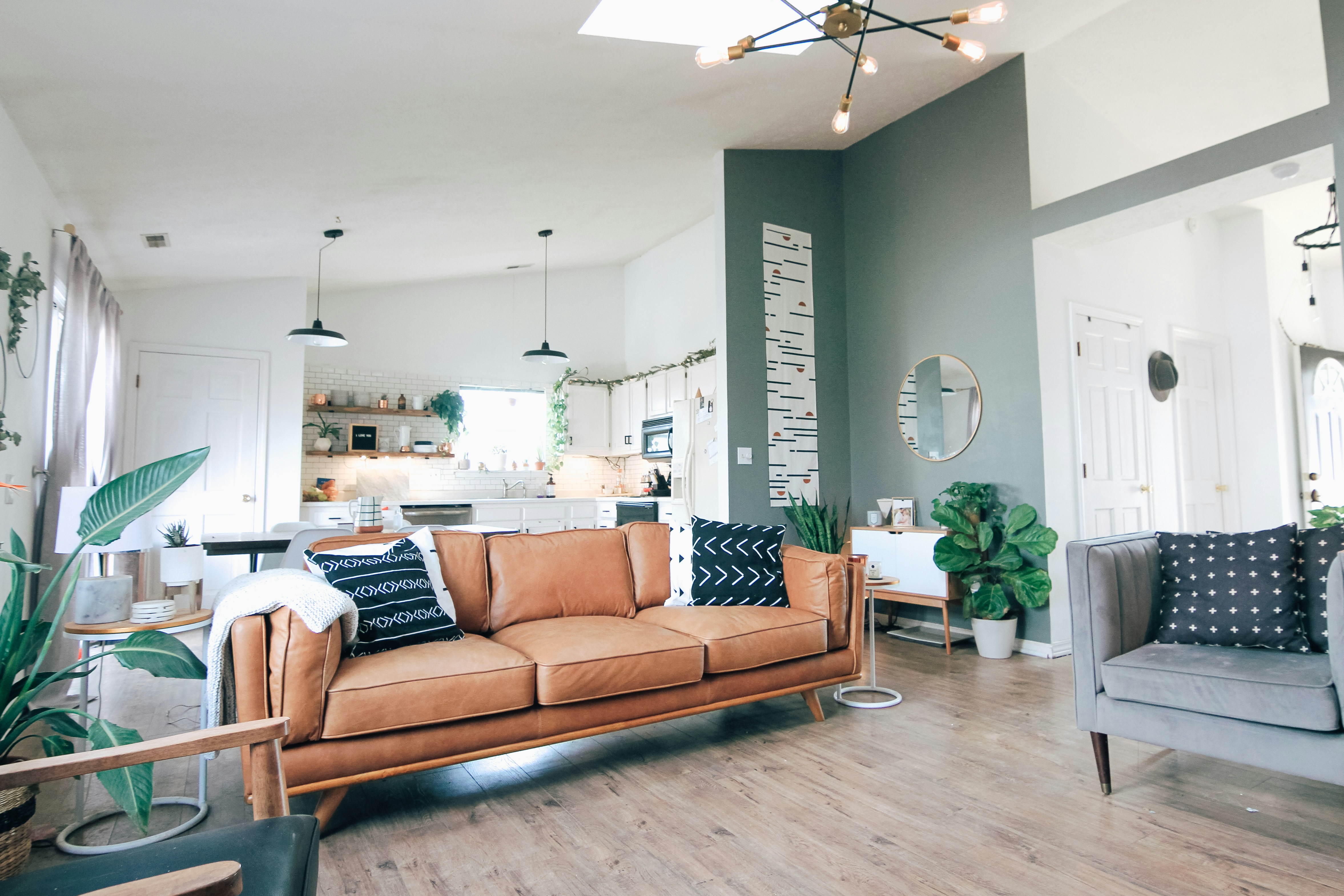
A folding screen or sheer curtain can visually separate the desk from the sleeping area.
Why it works: It creates a psychological boundary between "work mode" and "rest mode" within the same room.
How to style it: Choose a screen in a soft neutral or a curtain in a lightweight linen fabric.
Budget alternative: A tension rod with a simple curtain panel is much cheaper than a decorative folding screen.
Pro tip: Keep the divider lightweight so it doesn't make the room feel more closed off than it needs to.
Add Floating Shelves Above the Desk
Wall-mounted shelves keep books, plants, and supplies organized without taking up desk surface.
Why it works: Vertical storage keeps the desktop clear, which helps maintain focus during work.
How to style it: Style shelves with a mix of books, a small plant, and one or two decorative objects — avoid overcrowding.
Budget alternative: Basic bracket shelves from a hardware store achieve the same function as designer floating shelves.
Pro tip: Leave some negative space on each shelf so it doesn't look cluttered.
Choose a Blush or Soft Pink Accent
A touch of blush pink in the office corner adds a distinctly warm, feminine feel without overwhelming the space.
Why it works: Soft pink pairs well with neutral tones and adds warmth without feeling overly bold.
How to style it: Use it in a desk accessory, a cushion, or a small vase rather than a large furniture piece.
Budget alternative: A few inexpensive desk accessories in blush tones can achieve the look without a big investment.
Pro tip: Balance blush with a neutral like cream or beige so the corner doesn't feel too saturated.
Use a Cork or Fabric Pinboard for Organization
A soft pinboard keeps notes, reminders, and inspiration visible without cluttering the desk itself.
Why it works: It gives you a dedicated spot for visual reminders that doesn't compete with desk surface space.
How to style it: Wrap a basic corkboard in linen fabric for a softer, more cohesive look.
Budget alternative: A plain cork board from an office supply store works well even without the fabric wrap.
Pro tip: Limit pinboard items to current priorities so it doesn't become visual clutter.
Add a Small Plant or Two
Greenery softens the practical, functional feel of a desk setup.
Why it works: Plants add life and a calming, natural element to a workspace.
How to style it: Choose a low-maintenance plant like a pothos or succulent in a simple ceramic pot.
Budget alternative: A faux plant looks nearly identical from a distance and requires no upkeep.
Pro tip: Keep the plant to one side of the desk so it doesn't block your workspace or monitor.
Choose a Desk Chair With a Cushioned Seat
Comfort matters for long work sessions, and a cushioned seat adds both function and softness.
Why it works: A comfortable chair encourages longer, more focused work sessions without added strain.
How to style it: Look for a chair with a fabric or velvet seat in a neutral or soft accent color.
Budget alternative: Add a cushion or seat pad to an existing hard chair instead of replacing it entirely.
Pro tip: Prioritize back support if you'll be sitting for several hours at a time.
Use a Vanity-Style Desk for Dual Purpose
A vanity desk with a small mirror can double as both a workspace and a getting-ready spot.
Why it works: It maximizes function in a small bedroom by combining two needs into one furniture piece.
How to style it: Choose a design with at least one drawer for hiding cords and office supplies when not in use.
Budget alternative: Add a small mirror above an existing desk instead of buying a dedicated vanity.
Pro tip: Keep a small tray on the desk to corral makeup or beauty items separately from work supplies.
Add a Cozy Throw Blanket Nearby
A folded throw blanket on a nearby chair or the bed adds warmth and ties the desk area to the rest of the room.
Why it works: Soft textiles create a lived-in, comforting feel that balances the practicality of a desk setup.
How to style it: Choose a chunky knit or soft fleece throw in a neutral or warm tone.
Budget alternative: Repurpose a throw blanket you already own from elsewhere in the home.
Pro tip: Drape it loosely rather than folding it perfectly for a more relaxed, natural look.
Use Desk Organizers in Matching Materials
Mismatched pen holders, trays, and boxes can make a desk feel chaotic even when it's not messy.
Why it works: Coordinated organizers create a polished, put-together look with minimal effort.
How to style it: Choose organizers in the same material — all rattan, all ceramic, or all wood — for visual consistency.
Budget alternative: Repurpose small jars or boxes you already own and group them by finish.
Pro tip: Limit yourself to 3–4 organizing pieces so the desktop doesn't feel crowded.
Add String Lights or a Small LED Strip
Soft ambient lighting behind a shelf or along a headboard extends coziness into the evening hours.
Why it works: Warm ambient light softens the transition from work time to relaxation time in the same room.
How to style it: Tuck warm-toned string lights behind shelving or along the edge of a mirror.
Budget alternative: Basic warm white string lights are inexpensive and widely available.
Pro tip: Use a plug-in timer so the lights turn off automatically at bedtime.
Choose Curtains That Soften the Window Near Your Desk
If your desk sits near a window, soft curtains frame the space and reduce glare on a laptop screen.
Why it works: Fabric softens hard architectural lines and helps control light for screen work.
How to style it: Choose a light, breathable fabric like linen or cotton in a neutral shade.
Budget alternative: Ready-made curtain panels from a home store cost significantly less than custom options.
Pro tip: Hang curtains slightly above and wider than the window frame to make the window appear larger.
Use a Cable Organizer to Hide Cords
Tangled cords are one of the fastest ways to make a cozy desk feel messy and unfinished.
Why it works: Hidden cords keep the visual focus on the styling, not the tech clutter.
How to style it: Use a cord clip or fabric sleeve to bundle cables along the back or underside of the desk.
Budget alternative: Binder clips or twist ties can manage cords at almost no cost.
Pro tip: Label cords at the plug end so you can identify them quickly later.
Add a Small Tray for Coffee or Tea
A designated tray for a mug or teapot keeps drinks from cluttering the desk directly.
Why it works: It contains potential spills and adds a ritual, cozy touch to the workspace.
How to style it: Choose a small wood or rattan tray that matches other desk materials.
Budget alternative: Repurpose any small tray or plate you already own.
Pro tip: Keep the tray to one corner of the desk so it doesn't crowd your workspace.
Choose a Soft, Textured Desk Pad
A fabric or leather desk pad adds a layer of texture and protects the desk surface.
Why it works: It creates a defined, softer work surface that feels more considered than a bare desktop.
How to style it: Choose a neutral tone that complements your other desk accessories.
Budget alternative: A simple felt placemat can serve the same purpose at a much lower cost.
Pro tip: Choose a size slightly larger than your keyboard and mouse combined for full coverage.
Use a Vertical File Organizer Instead of a Drawer Unit
A slim vertical file holder keeps papers organized without taking up much desk or floor space.
Why it works: It uses vertical space efficiently, which matters most in a compact bedroom office.
How to style it: Choose a woven or wood-finish holder that matches nearby decor.
Budget alternative: A simple wire file rack from an office supply store works just as well.
Pro tip: Sort papers weekly so the organizer doesn't become an overflow catch-all.
Add a Scented Candle or Diffuser Nearby
A subtle scent near the desk area can make work sessions feel more like a personal ritual.
Why it works: Scent is strongly tied to mood and can help signal "focus mode" when you sit down to work.
How to style it: Choose a soft, warm scent like vanilla, sandalwood, or a light floral.
Budget alternative: A reed diffuser typically costs less than candles over time and requires no flame.
Pro tip: Keep candles away from papers and cords, and never leave them burning unattended.
Use a Woven Basket for Extra Storage
A basket beside or under the desk hides supplies, chargers, or notebooks without a bulky cabinet.
Why it works: It adds soft texture while solving a real storage need in a small footprint.
How to style it: Choose a basket with handles for easy access, tucked beside the desk leg.
Budget alternative: Repurpose any woven basket already in the home.
Pro tip: Keep only current, in-use items in the basket to avoid it becoming a clutter catch-all.
Frame a Motivational Print or Quote
A single framed quote near the desk adds a personal, encouraging touch to the workspace.
Why it works: A visible reminder of your goals or values adds meaning to a purely functional space.
How to style it: Choose simple typography in a frame that matches your other wall art.
Budget alternative: Print a free design at home and frame it with an inexpensive frame.
Pro tip: Rotate the print occasionally to keep the space feeling fresh.
Choose a Desk Lamp With a Dimmer
Adjustable lighting lets you shift from bright, focused light during the day to a softer glow in the evening.
Why it works: It gives one fixture the flexibility to support both work and wind-down time.
How to style it: Choose a lamp with a built-in dimmer switch or a smart bulb with adjustable brightness.
Budget alternative: A smart plug with a basic lamp can add dimming functionality affordably.
Pro tip: Position the lamp to avoid glare on your screen while still lighting your workspace well.
Personalize With a Small Photo or Keepsake
One personal object — a photo, a small memento, or a handwritten note — makes the space feel like it belongs to you.
Why it works: Personal touches boost comfort and motivation more than purely decorative objects.
How to style it: Place it in your direct line of sight, such as propped against a shelf or in a small frame.
Budget alternative: Use an item you already own rather than purchasing something new.
Pro tip: Choose just one or two personal items so the desk stays functional, not sentimental clutter.
Color & Material Guide
Warm Cream
#F6EFE3 — walls, desk
Soft Blush
#E3B7A8 — accents
Sage Green
#9CA37A — plants, textiles
Warm Terracotta
#C17A63 — small decor
Brushed Gold
#C9A24B — hardware
Keep large surfaces like the desk and walls in warm neutrals, then layer in blush, sage, or gold through smaller accessories that are easy to swap or update later.
Budget-Friendly Alternatives
- Shop your own home first — a lamp, chair, or basket from another room may already fit the space.
- Mix one or two nicer pieces (a good chair, a quality lamp) with budget accessories elsewhere.
- Use removable, no-drill solutions like adhesive hooks and tension-rod curtains if you're renting.
- Thrift stores and secondhand marketplaces are great sources for rattan chairs, trays, and frames.
- Prioritize lighting and seating comfort first — they matter most for daily use.
Small-Space Adaptations
In a very small bedroom, a wall-mounted floating desk or a fold-down desk can free up floor space entirely when not in use. For shared bedrooms, a room divider or curtain helps create a sense of privacy and focus during work hours without needing a separate room.
Common Mistakes to Avoid
Before You Start Checklist
- ☐ Measure the corner or nook for desk placement
- ☐ Choose a color direction that complements the rest of the bedroom
- ☐ Check available natural light near the desk area
- ☐ Decide whether you need visual separation from the sleeping area
- ☐ Set a budget for furniture versus decorative accessories
- ☐ Identify which existing items can be repurposed
Frequently Asked Questions
How can I add a home office to my bedroom without making it feel cluttered?
Keep the desk area visually contained with a rug or divider, choose furniture sized to the space, and limit decorative objects to a curated few.
What colors work best for a cozy feminine home office?
Warm neutrals like cream and beige paired with soft accents such as blush, sage, or brushed gold create a calming, cohesive look.
How do I separate my workspace from my sleeping area in one room?
A room divider, curtain, or even a well-placed rug can create a visual boundary between the two zones without needing extra square footage.
Can I set up a bedroom home office in a rental?
Yes — focus on removable solutions like adhesive hooks, freestanding shelves, and tension-rod curtains rather than anything requiring drilling.
What's the most important upgrade for a small bedroom office?
A comfortable chair and good lighting tend to make the biggest daily difference, even before decorative styling.
How do I make my bedroom office feel less like a distraction at night?
Use a lamp with a dimmer, keep the desk tidy before bed, and consider a curtain or divider to visually close off the space in the evening.
Save This Home Office Idea
Keep this guide handy for your next bedroom office refresh — pin it now so you can revisit these ideas when you're ready to style your space.
Final Takeaway
A cozy, productive bedroom home office comes down to balance — warm textures and soft color choices paired with practical furniture sized to fit your space. Start with one meaningful upgrade, like better lighting or a comfortable chair, and layer in personal touches from there as your budget and space allow.